
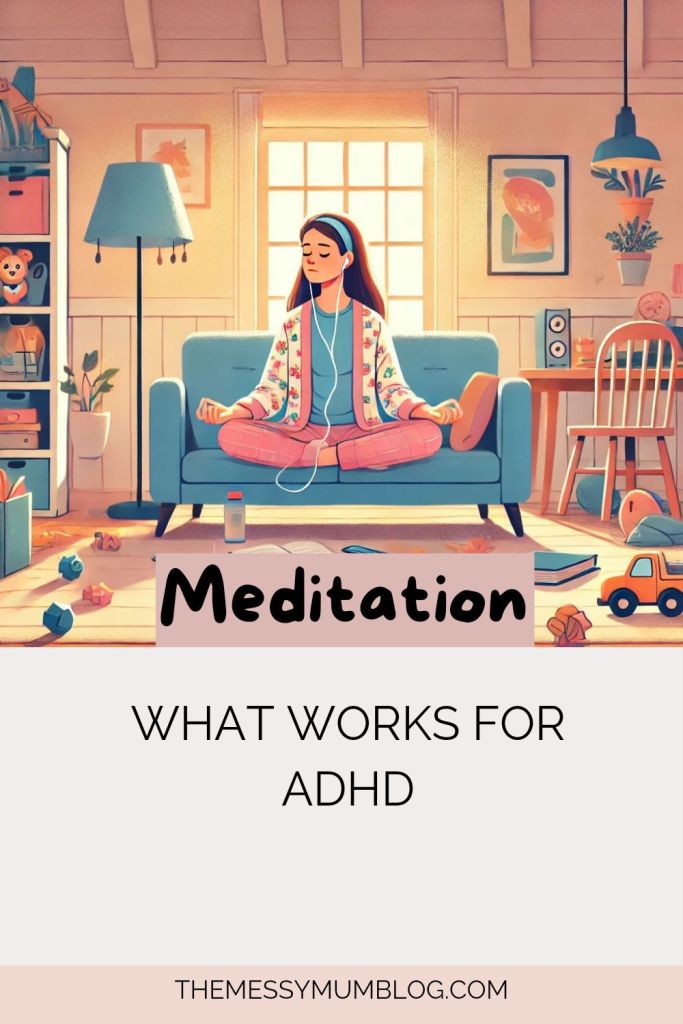
Parenthood, especially when coupled with the unique challenges of ADHD, can sometimes feel like a whirlwind adventure. It’s a journey filled with boundless love, laughter, and, yes, a fair share of chaos.
As an ADHD parenting blogger, I understand the highs and lows all too well. But here’s the exciting news: there’s a powerful tool that can help you not only survive but thrive in this rollercoaster ride of raising children with ADHD. In this post, we’re diving headfirst into the world of mindfulness.
We’ll explore how this transformative practice can be your secret weapon in not just managing but truly embracing the beautiful, messy reality of ADHD parenting. From finding moments of calm in the storm to forging deeper connections with your children, mindfulness has the potential to revolutionise your journey. So, fellow parents, let’s embark on this mindful adventure together and uncover the incredible benefits it holds for you and your family.
What is mindfulness, and how does it relate to ADHD parenting?
Mindfulness is like the secret sauce for parenting, especially for those of us juggling ADHD and the responsibilities that come with it. It’s all about being in the moment, fully present and aware, without judgement. Now, let’s break down how it plays a vital role in parenting.
1.Emotional Regulation: Mindfulness helps us manage those intense ADHD emotions. When your kid is having a meltdown over spilled milk, mindfulness can help you pause, take a breath, and respond calmly instead of reacting impulsively.
2. Patience and Empathy: It’s easy to get overwhelmed as a parent, but mindfulness encourages us to understand our child’s perspective. It can be a game-changer in empathising with your little one’s struggles and needs.
3. Reducing Stress: Parenting can be stressful, no doubt. Mindfulness techniques, like deep breathing or meditation, can help lower stress levels and keep you from feeling overwhelmed.
4. Better Communication: Being present and truly listening to your child fosters open communication. This can be especially important when dealing with ADHD, as it helps you understand their needs and challenges.
5. Modelling Behaviour: Kids learn by example. When they see you practising mindfulness, they might pick up these healthy habits too, helping them manage their emotions better.
Can mindfulness practices benefit both parents and children in an ADHD household?
Absolutely! Mindfulness is like a double scoop of ice cream that benefits both parents and kids in your household. Let me break it down for you:
For Parents
Mindfulness helps parents manage the daily stressors that come with raising a family. It’s like a mini-vacation for your mind, allowing you to stay calmer and more composed.
Parenting can be challenging, especially with ADHD in the mix. Mindfulness enhances your patience, making it easier to navigate those tricky moments with your child.
Being mindful means you’re fully present when interacting with your child. This fosters better communication and understanding between you and your little one.
Mindfulness techniques help parents manage their own emotions. When you can control your reactions, you create a more stable environment for your child.
For Children
Mindfulness teaches kids to recognize and understand their emotions. This skill is invaluable in helping them express themselves and handle emotional challenges.
With all the distractions in today’s world, mindfulness can enhance your child’s ability to concentrate, which can be especially beneficial for children with ADHD.
Kids face stress too, whether it’s from school, friends, or other activities. Mindfulness equips them with tools to cope with stress in a healthy way.
Children can learn to control their impulses and make better decisions through mindfulness practices.
How can mindfulness techniques help parents stay calm and focused in challenging ADHD-related situations?
- For ADHD parents, staying calm when facing ADHD-related challenges can be like trying to juggle a dozen Mickey Mouse balloons while riding a roller coaster. But fear not, mindfulness can be your trusty sidekick in these moments. Here’s how it can help:
- When ADHD-related challenges arise, take a mindful pause. Close your eyes, take a deep breath, and exhale slowly. This simple act can help you regain focus and composure.
- Mindfulness encourages you to observe your thoughts and feelings without judgement. When you forget something important or get overwhelmed, don’t beat yourself up. Acknowledge the challenge and move on with a clear mind.
- Apply mindfulness to your parenting approach. When your child is having their own ADHD-related struggles, be present and patient. Understand that they might need extra support and empathy.
- ADHD often comes with time management difficulties. Mindfulness can help you become more aware of how you spend your time and develop strategies to stay on track.
- Mindfulness practices, like meditation or deep breathing, can be incredibly effective in managing ADHD-related emotional swings. They provide a calming anchor in stormy moments.
- Don’t forget to practise mindfulness for self-care. Taking time for yourself, whether through meditation, a crafty hobby, or a relaxing Disney movie night, can recharge your ADHD-parenting batteries.
Are there specific mindfulness exercises that are particularly effective for parents dealing with ADHD-related stress?
Absolutely, there are mindfulness exercises tailored to benefit individuals with ADHD. These exercises are designed to harness the power of mindfulness in a way that aligns with the unique challenges and strengths associated with ADHD. Here are a few to consider:

Breath Awareness
This is a simple but powerful exercise. Find a quiet spot, sit comfortably, and focus on your breath. Pay attention to the sensation of each inhale and exhale. When your mind inevitably wanders (as it does for all of us, ADHD or not), gently bring your focus back to your breath. It’s like a mental workout for improving attention and concentration.
Body Scan
Lie down or sit in a comfortable position and mentally scan your body from head to toe. Notice any areas of tension or discomfort. This exercise enhances body awareness, which can be especially helpful for those with ADHD, as it can improve self-regulation.
Mindful Walking
Take a walk in nature or a quiet space. Pay close attention to the sensation of each step, the feeling of your feet against the ground, and the sounds around you. This not only promotes mindfulness but also provides a physical outlet for excess energy.
Five Senses Check-In
Pause for a moment and identify five things you can see, four things you can touch, three things you can hear, two things you can smell, and one thing you can taste (or imagine tasting). This exercise engages all your senses, grounding you in the present moment.
Progressive Muscle Relaxation
Tense and then relax different muscle groups in your body one at a time. This exercise can help with both relaxation and body awareness, which can be beneficial for managing ADHD-related restlessness.
Focused Mindfulness
Instead of trying to clear your mind completely, focus on a specific object or task. It could be colouring, knitting, or even a Disney puzzle. When your mind drifts, gently redirect your attention to the task at hand. This can be especially helpful for improving sustained attention.
What are the potential benefits of incorporating mindfulness into your daily routine as an ADHD parent?
As an ADHD parenting blogger with a bustling life, incorporating mindfulness into your daily routine can offer a range of tangible benefits. Here are some daily perks you can expect:
1.Stress Reduction
Mindfulness acts like a shield against the stressors that come with parenting, especially when ADHD is in the picture. It helps you stay calmer in the face of chaos.
2.Improved Focus
Daily mindfulness exercises enhance your ability to concentrate, which is a lifesaver when you’re juggling Disney-themed activities and crafting sessions with your child.
3.Emotional Regulation
Mindfulness equips you with tools to manage intense emotions that can accompany ADHD. It’s like having a remote control for emotional ups and downs.
4.Enhanced Patience
Parenting requires a whole lot of patience, and mindfulness is your secret weapon for cultivating it. You’ll find yourself reacting less impulsively and more calmly.
5.Better Communication
Daily mindfulness practices improve your ability to actively listen and connect with your child, helping you navigate the unique challenges that come with ADHD parenting.
6.Self-Care
Mindfulness is a form of self-care in itself. It reminds you to take a break, engage in a crafty hobby, or simply enjoy a quiet moment with a Disney movie, which is crucial for your well-being.
7.Resilience
Over time, daily mindfulness can make you more resilient in the face of adversity. You’ll find it easier to bounce back from challenging moments.
8. Improved Sleep
ADHD parents often wrestle with sleep issues. Daily mindfulness can promote better sleep quality, helping you feel more refreshed and ready to tackle the day.
9.Parent-Child Bonding
Daily mindfulness rituals can become a special time for you and your child. It’s an opportunity to connect on a deeper level and share mindful moments together.
10.Personal Growth
Mindfulness isn’t just about managing the chaos; it’s also about personal growth. It can help you become a more patient, empathetic, and self-aware parent.
How can mindfulness improve communication and connection within the family?
Imp,roving communication is one of the magical powers of mindfulness, especially for ADHD parents like you. Here’s how it works:
1. Active Listening
Mindfulness encourages you to be fully present in the moment. When you engage in conversations with your child, partner, or anyone else, you’re more likely to listen actively. You’ll hear not just their words but also the emotions and intentions behind them.
2. Reduced Reactivity
Mindfulness helps you respond rather than react impulsively. This is particularly useful in heated moments when ADHD-related challenges arise. You’ll be better equipped to pause, consider your response, and choose words more thoughtfully.
3. Empathy
Mindfulness fosters empathy by allowing you to step into the shoes of others. You’ll find it easier to understand your child’s perspective and respond with compassion.
4.Non-Judgment
Mindfulness encourages a non-judgmental attitude, which means you’re less likely to jump to conclusions or make assumptions during conversations. This creates a more open and accepting space for communication.
5.Improved Focus
Daily mindfulness exercises enhance your ability to concentrate. This translates to better engagement in conversations, as you’ll be less distracted and more attuned to the person you’re speaking with.
6.Reduced Interruptions
For individuals with ADHD, interrupting others in conversation can be a common challenge. Mindfulness helps you become more aware of this tendency, making it easier to curb interruptions and allow others to speak.
Mindfulness not only involves listening but also mindful speaking. You’ll become more aware of the words you choose and how they may impact the person you’re communicating with. It can be a valuable tool in resolving conflicts peacefully. It encourages you to approach disagreements with a calm and open mindset, making it easier to find common ground.
By being fully present and attentive in conversations, you reduce the chances of misinterpreting what others are saying. This leads to clearer communication and fewer misunderstandings. When you communicate mindfully, it strengthens your relationships. You’ll build trust and create an atmosphere of open and honest communication within your family.
Can you share personal experiences or success stories of using mindfulness in your own ADHD parenting journey?
Personally, I’ve experienced significant benefits from mindfulness. Now, I’m not claiming that I’m a perfect practitioner who effortlessly engages in mindfulness every day without any hiccups or moments of frustration. As an ADHD mum, I fully acknowledge my imperfections. However, I’ve discovered that incorporating nightly meditation e-books with mindfulness breathing techniques into my routine has greatly improved my sleep.
Additionally, I’ve turned to The positive mindset podcast in the mornings to set my mental goals for the day. It’s like playing your favourite song and instantly finding yourself in a cheerful mood.
I’ve noticed a remarkable improvement in communication with my children when I’m attuned to my sensory experiences. What do I mean by that? Well, I mean that if I start to feel overwhelmed by the surrounding noise, I openly explain this to my children. This communication and acknowledgment of what’s happening create a smoother outcome. Rather than reaching the point of frustration, I’ve learned to recognize the need to take a breath, tune into my surroundings, and regulate my emotions.
I’ve used the “5 senses check-in” technique with my eldest daughter during challenging moments when she’s unable to be consoled. I vividly remember a day when a wasp-infested playground triggered a complete meltdown in her, leaving me feeling utterly helpless. I guided her to verbally describe five things she could see, four things she could touch, three things she could hear, two things she could smell, and one thing she could taste. By the time we completed this exercise, we were able to understand her needs and move forward with her day.
This experience turned what initially seemed like a disastrous day into one of the most memorable moments I’ve shared with my children. Ending in a muddle puddle splash fest. Mindfulness has undoubtedly found a meaningful place in my home, helping us navigate life’s challenges with greater understanding and resilience.
What are some practical tips for busy parents to integrate mindfulness practices into their daily lives?
As a busy ADHD parent, finding pockets of mindfulness in your day is like discovering hidden treasures in a Disney movie. Here is a free printable with some practical tips to help you incorporate mindfulness into your hectic schedule: (free printable)
In a nutshell, mindfulness is your parenting superpower. It helps you stay calm, connect with your child, and create a more harmonious household. Remember, it’s a practice, not perfection, so don’t be too hard on yourself if you occasionally forget to be mindful amidst the chaos of Disney-themed playdates and crafting sessions! Think of mindfulness as a family-friendly tool that promotes emotional well-being, strengthens connections, and helps both parents and children navigate the ups and downs of daily life. It’s a win-win for everyone in your household! Mindfulness grows stronger with practice. It won’t eliminate ADHD-related challenges, but it equips you with tools to face them more calmly and effectively. Consistency is key. Like any skill, mindfulness improves with practice. You can start with short sessions and gradually increase the duration as you become more comfortable. It’s all about finding what works best for you as an ADHD parent in your unique journey. Incorporating mindfulness into your daily routine may take some effort, but the benefits are well worth it. It’s like adding a sprinkle of pixie dust to your hectic life, making it more manageable and enjoyable, It not only helps you navigate the unique challenges of ADHD parenting but also enriches the connections you have with your loved ones, one mindful conversation at a time.
It’s okay to have days when you’re less mindful than others. Be kind to yourself and keep exploring different techniques until you find what resonates with your ADHD parenting journey. It’s about finding moments of peace amid the chaos.
Now, it’s your turn. I’d love to hear from you. How do you incorporate mindfulness into your ADHD parenting journey? Do you have any mindfulness tips or success stories to share? Let’s continue this conversation in the comments below. Your insights and experiences might just be the support another parent needs on their path.
Remember, you’re not alone in this. We’re all navigating these uncharted waters together. So, take a deep breath, practice mindfulness, and embrace every moment with an open heart. Your dedication and love are the greatest gifts you can give to your children.
Here’s to a mindful, joy-filled parenting adventure ahead!
Kaylie

 The Messy Mum Virtual Assistant