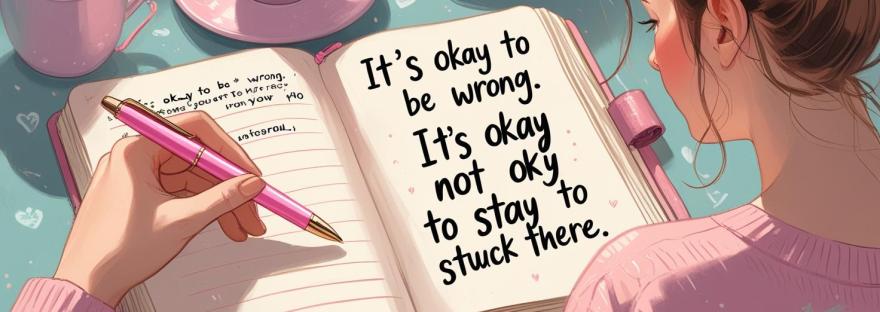

I used to fight my way out of everything. It was like a cat trapped in a bag, claws out and scrabbling at the sides. I did this even when I knew deep down I was in the wrong. If you told me I’d hurt you, I would try to convince you it wasn’t on purpose. I’d argue my way into knots. And most of the time? It wasn’t. But instead of just owning it, I’d double down. I’d say I didn’t do it. That it didn’t happen. Lie, even. Because if I didn’t mean it, then surely I shouldn’t be blamed for it… right?
Spoiler alert: that’s not how it works.
I used to tell myself I was protecting my intentions. That if people knew I didn’t mean to share a secret or say the wrong thing, it didn’t count. But intentions aren’t the same as impact. And the truth? My desperate need to not be seen as “bad” cost me friendships. I know now this is something a lot of people with ADHD struggle with. We find it difficult to own mistakes when our brains didn’t mean harm.
The turning point came thanks to one friend. One real, no-BS friend who let me be fully myself. She didn’t sugarcoat things, and she didn’t let me off the hook. She told me when I was wrong and somehow still made me feel safe. She didn’t make me feel like a monster for messing up. She let me feel human. And weirdly, that gave me permission to finally admit it out loud: Yeah, I got that wrong. I’m sorry.
When I started doing that, something wild happened… I felt relieved. Not ashamed. Not guilty. Just… free. Free from the overthinking, the spirals, the guilt that used to sit on my chest for days. Free from the exhausting need to defend myself. This could have been settled with one sentence: “I was wrong.” I’m sorry.
Turns out, most people are actually really forgiving, especially when you’re honest about your mess-ups. Unless you’ve done something extremely unusual, you’ll probably be okay. We’re not talking about extreme mistakes like sleeping with someone’s husband here. People get it. People mess up too. That understanding changed the way I parent. It altered the way I show up in friendships. Most importantly, it changed the way I see myself.
Now I can tell my kids, “You’re right, I shouldn’t have shouted. That was about me feeling overwhelmed, not about you.” And instead of feeling weak, I feel strong. I feel like I’m breaking a cycle. Because as a child with ADHD, I never felt like it was okay to mess up. I was always the one doing the wrong thing, the “naughty” one. And no one ever came back and said, “Hey, it’s okay, you’re still loved.”
If I can teach my kids that mistakes aren’t the end of the world, they might learn that mistakes are part of life. Then maybe they won’t carry the same shame I did. They might understand that errors are not final. Maybe they’ll know they can mess up and still be good.
And if I were sitting with a mum friend going through that same guilt spiral? I wouldn’t lecture her. I wouldn’t point out her flaws. I’d just listen. I’d be that safe space. Because we don’t change by being shamed, we change when we’re allowed to be real.
So if you’re still reading this (or maybe you skipped to the end! Hi, I see you), here’s what I want you to take away:
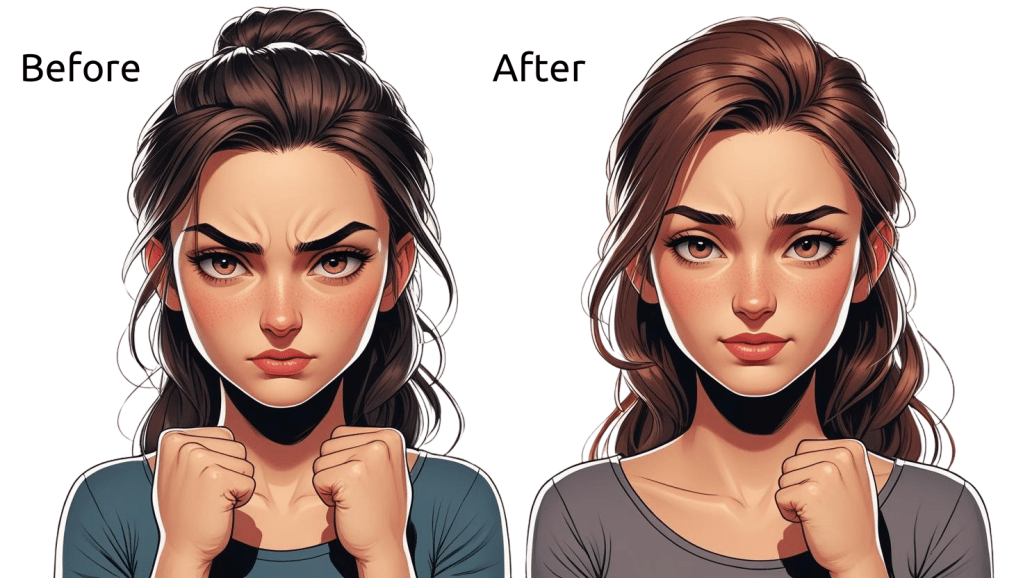
Your guilt is valid, but it doesn’t have to be the full story. Mistakes have to happen so we can grow. If you never get it wrong, how do you ever learn to get it right?
Own your stuff. Apologise when you need to. Let the guilt go. And remember, there will be a next time. You’ve got this.
Have you ever experienced a moment of realisation where you recognised your mistake but emerged stronger from it? I’d love for you to share your story in the comments. Together, let’s celebrate personal growth.
“What’s a belief you once held that you’ve now re-evaluated? There’s no shame in it, just a journey of growth.”

 The Messy Mum Virtual Assistant